
Like all cities on the Middle Rhine, St. Goar had a history spanning centuries. Jewish community. The funerals took place on the right bank of the Rhine. Jewish cemetery in Bornich Instead; the cemetery that had already been made available to the Jews of the Niedergrafschaft Katzenelnbogen by Landgrave Ernst of Hesse-Rheinfels in the 17th century served as a central cemetery. The Rhine did not form a border; rather, the cemetery at Bornich served the Jewish communities on both sides of the river as a burial site.
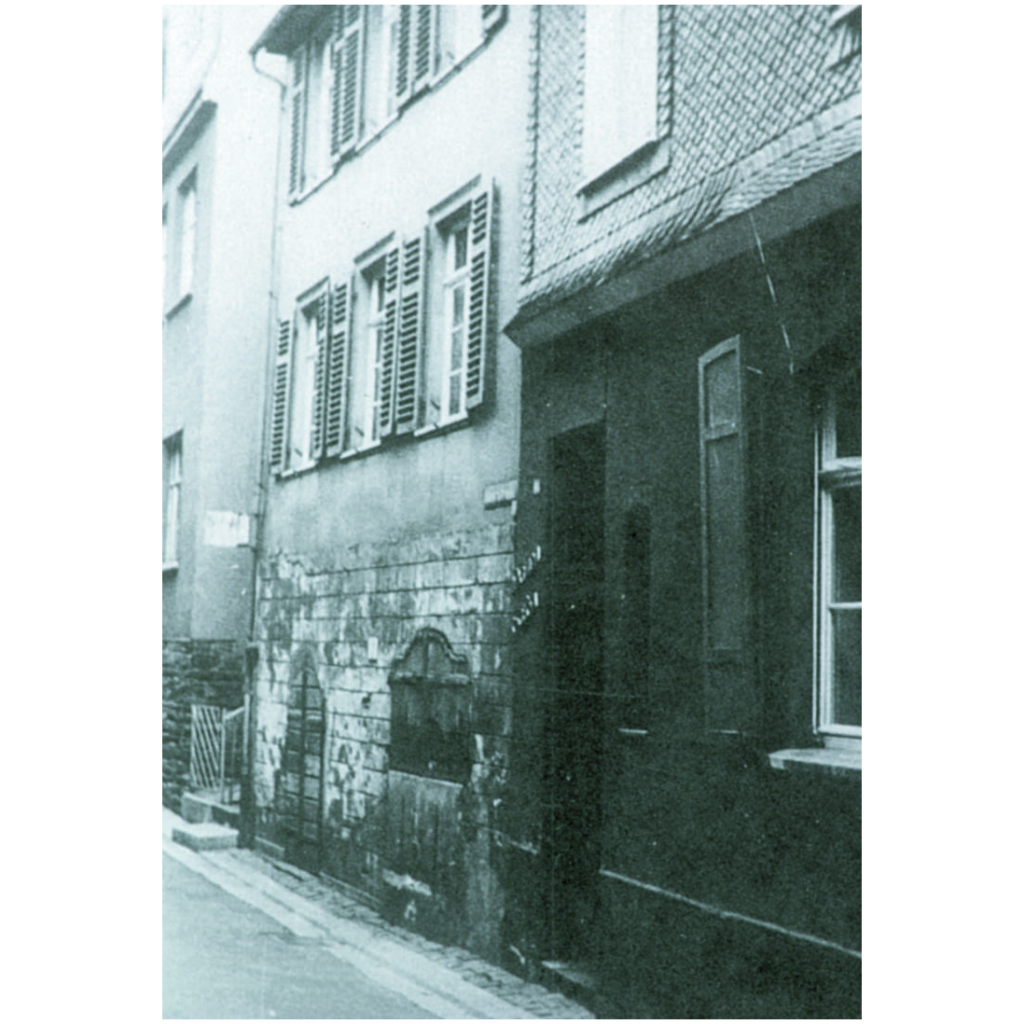
There was one in St. Goar Funeral Brotherhood (Chewra Kadischa), which also had charitable and community-related tasks. It was important for the cohesion of the community and, not least, also served as a link between the left and right banks of the Rhine. In 1876, members of the fraternity acquired a House in Oberstraße and established a Synagogue One. It replaced the older synagogue from 1844, which had been destroyed by the construction of the railway. During the Reichspogromnacht in 1938, the synagogue was destroyed. The house itself was only preserved because arson was too dangerous in the cramped city space. The last remnants of the synagogue are now located in the basement of the residential building.
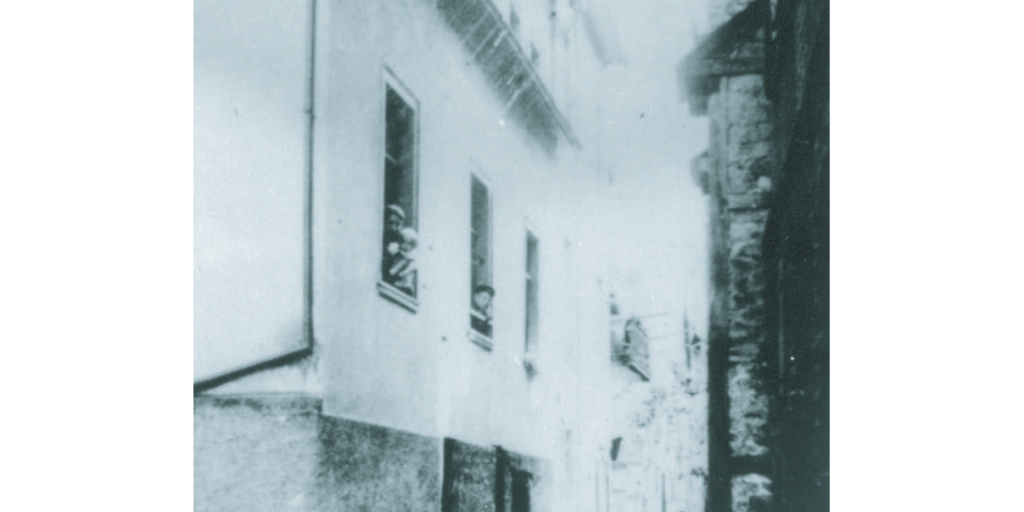
In the neighborhood of the St. Goar synagogue was the Lohgerberei Jungbluth. The house of the entrepreneurial family has been preserved.